Laboratory → Methods
Method schedule and turnaround
The eight methods below are the ones we run most often and hold in our ISO/IEC 17025 schedule. Turnaround is counted from sample reception, not from enquiry.
| Method | Standard | Matrix | Turnaround |
|---|---|---|---|
| Oxygen transmission rate (OTR) | ASTM F1927 / ISO 15105-2 | Film, laminate, finished pack | 10 working days |
| Water vapour transmission rate (WVTR) | ASTM F1249 / ISO 15106-2 | Film, laminate, tray lidding | 10 working days |
| Seal burst & creep | ASTM F1140 / ASTM F1929 | Flexible pouches, tray seals | 5 working days |
| Vacuum decay leak detection | ASTM F2338 | Rigid and semi-rigid packs | 5 working days |
| Aerobic colony count | BS EN ISO 4833-1 | Chilled and ambient foods | 5 working days |
| Listeria monocytogenes challenge | BS EN ISO 11290-1 / -2 | Ready-to-eat chilled foods | Trial length + 10 days |
| Water activity (aw) | ISO 21807 | All matrices | 3 working days |
| Overall migration into simulants | EU 10/2011 / BS EN 1186 | Food contact plastics | 15 working days |
Methods outside this schedule can often be run as a non-accredited measurement. Where that is the case the report states it plainly on the result line, not in a footnote.
Microbiology
Our containment suite runs enumeration and challenge work on chilled, ambient and frozen matrices. Challenge studies are inoculated at a stated level with a cocktail of strains rather than a single isolate, and the recovery method is validated against the matrix before the trial begins — a step that is skipped often enough to be worth naming.
We report growth as a change against time zero for each arm separately. Pooling arms hides exactly the behaviour a challenge study exists to find.

Sensory
A trained panel of twelve assessors is screened on threshold and discrimination before joining, and re-qualified twice a year. Sessions are run in individual booths under controlled lighting, with samples presented in randomised order under three-digit codes.
For shelf-life work the panel scores against a time-zero reference held frozen, so drift is measured rather than remembered.
Food contact and migration
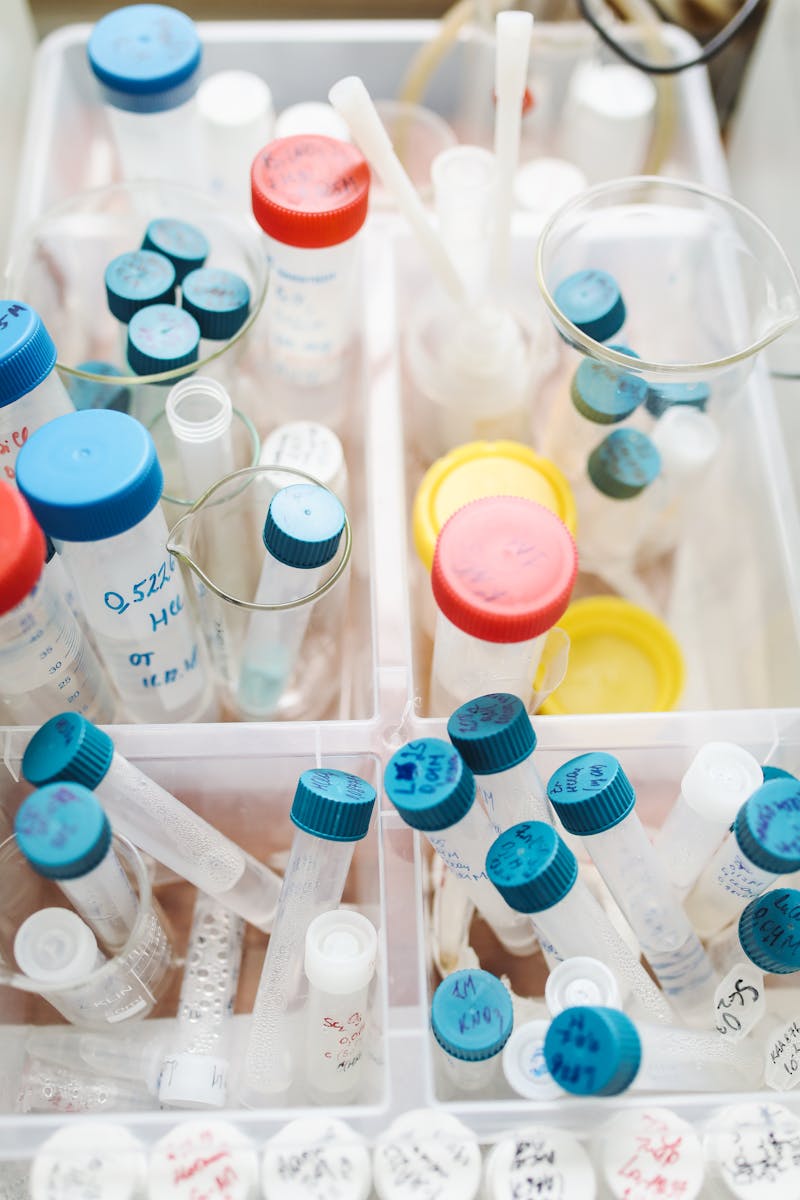
Overall migration is determined into the simulants prescribed by EU 10/2011 for the intended contact conditions. Where a specific substance is flagged — commonly a printing ink component or an adhesive residue — we run the specific migration determination and report against the applicable limit.
We support the drafting of a declaration of compliance but do not issue one. That declaration belongs to the business placing the material on the market.
What a PERMEON report contains
Result and uncertainty
Every quantitative result carries its measurement uncertainty and the method reference on the same line.
Chamber trace
The full logged temperature and humidity record for the storage period, as an appendix rather than on request.
Chain of custody
Reception condition, sample identity and any deviation noted at receipt.
Plain summary
A short section written to be read by a technical manager and shown to a buyer.